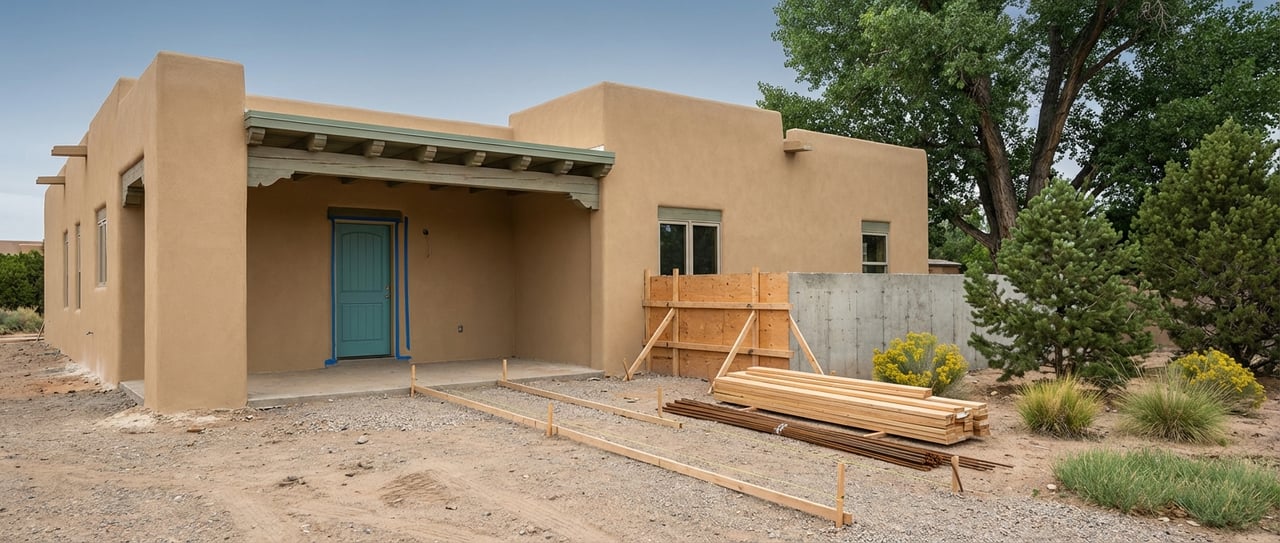
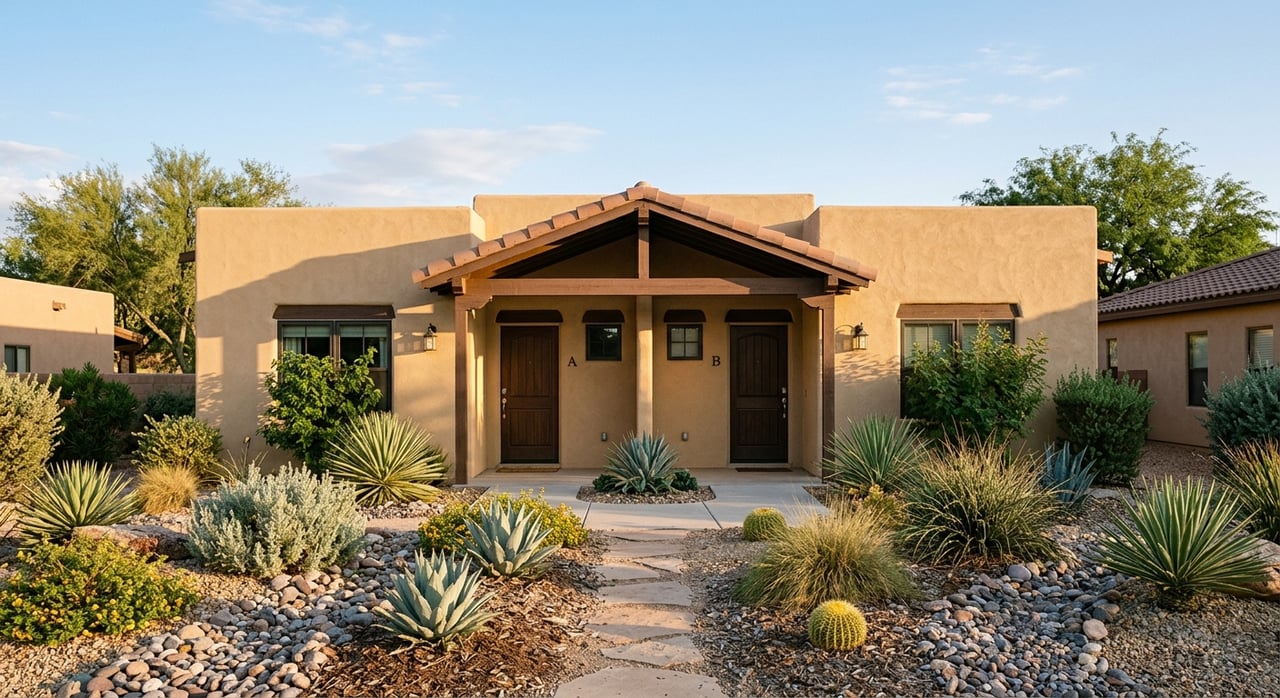
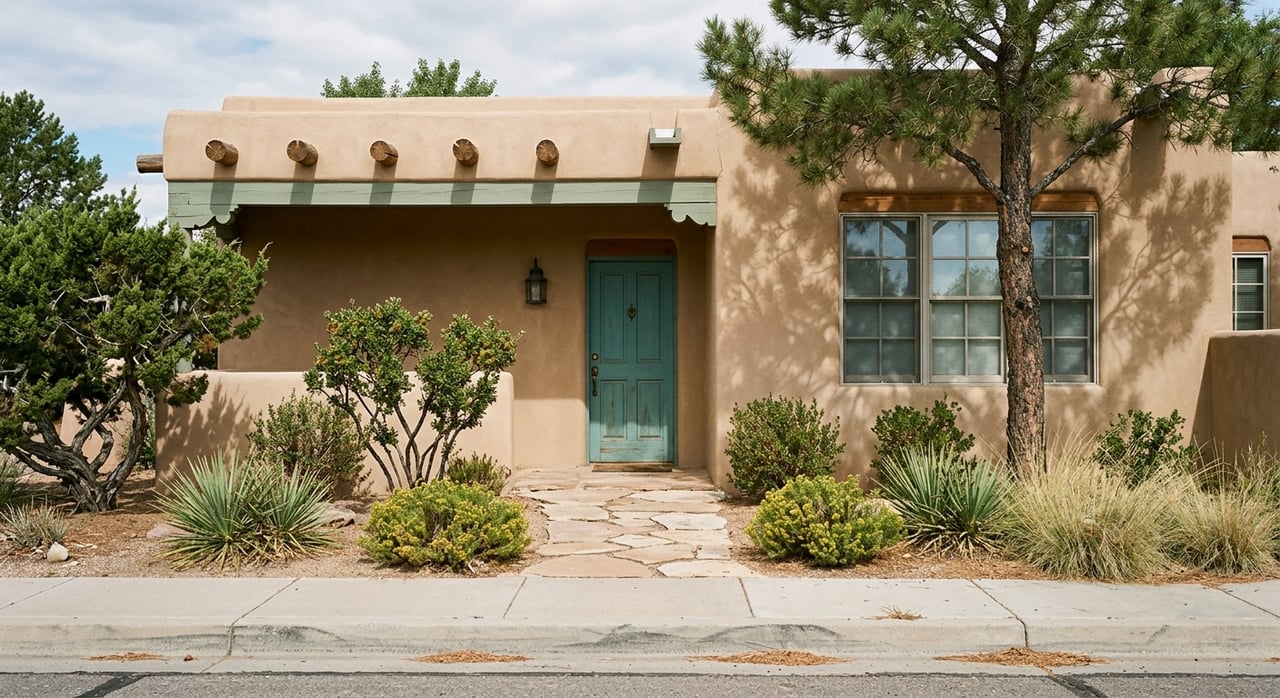
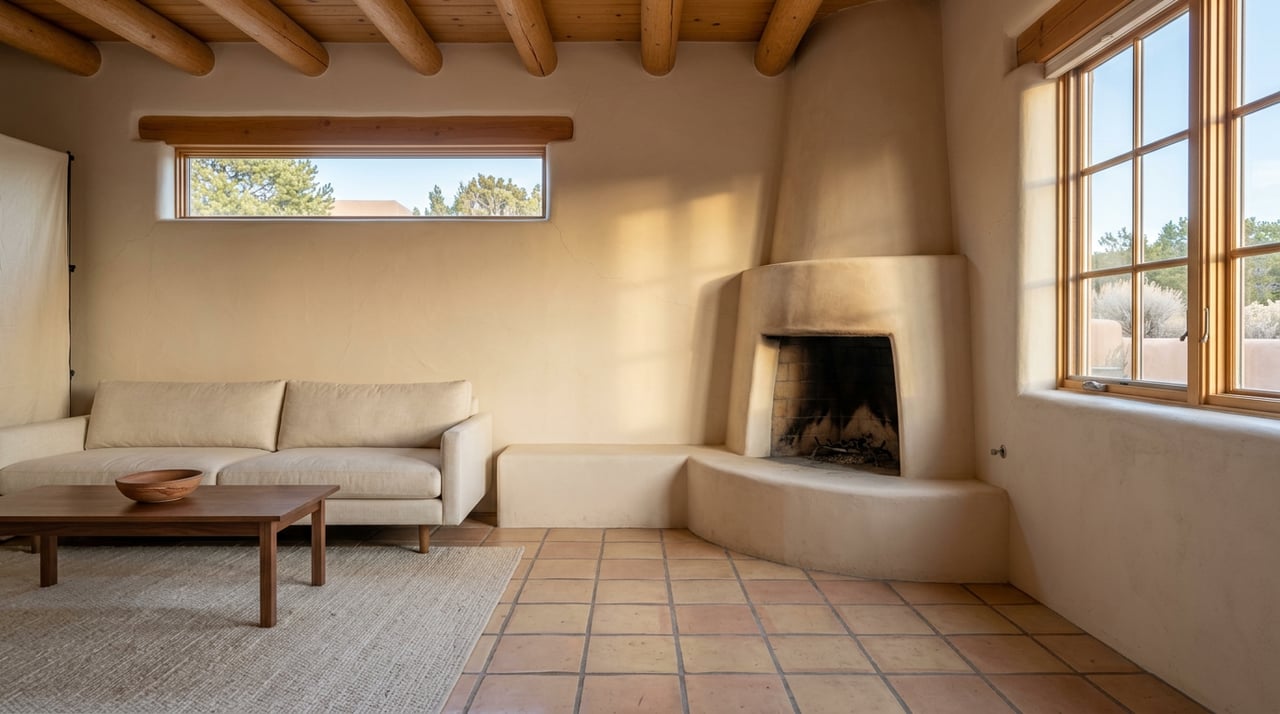
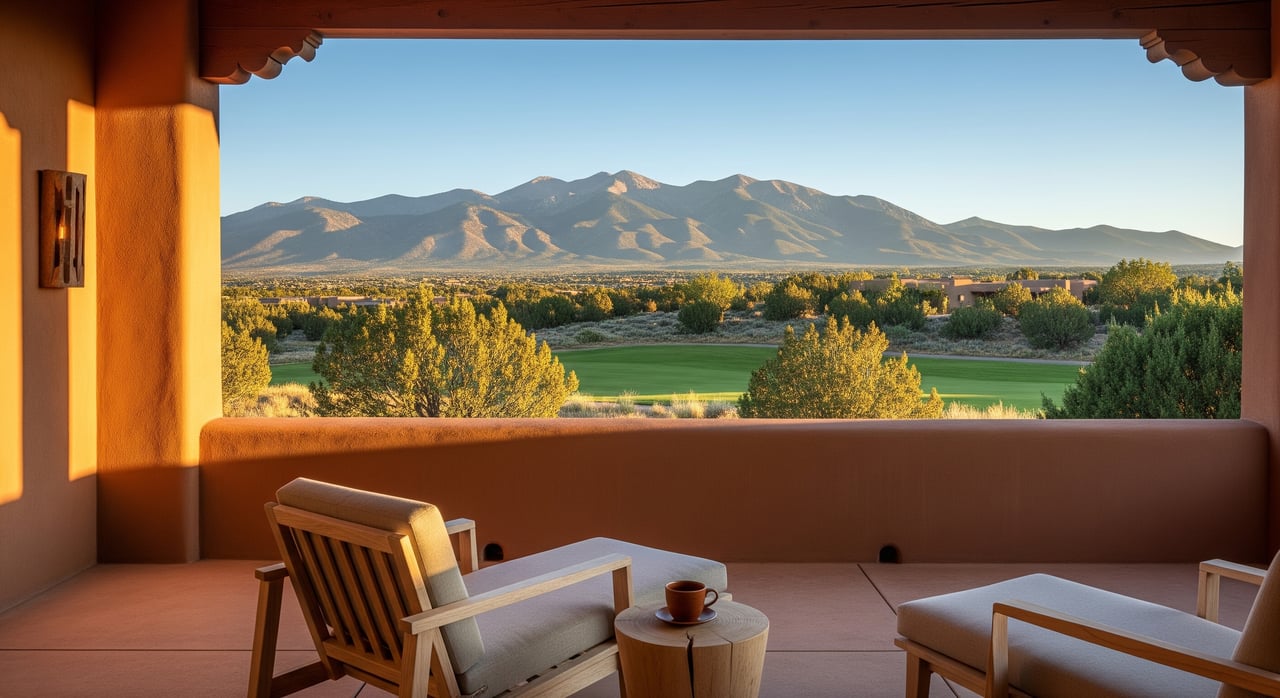
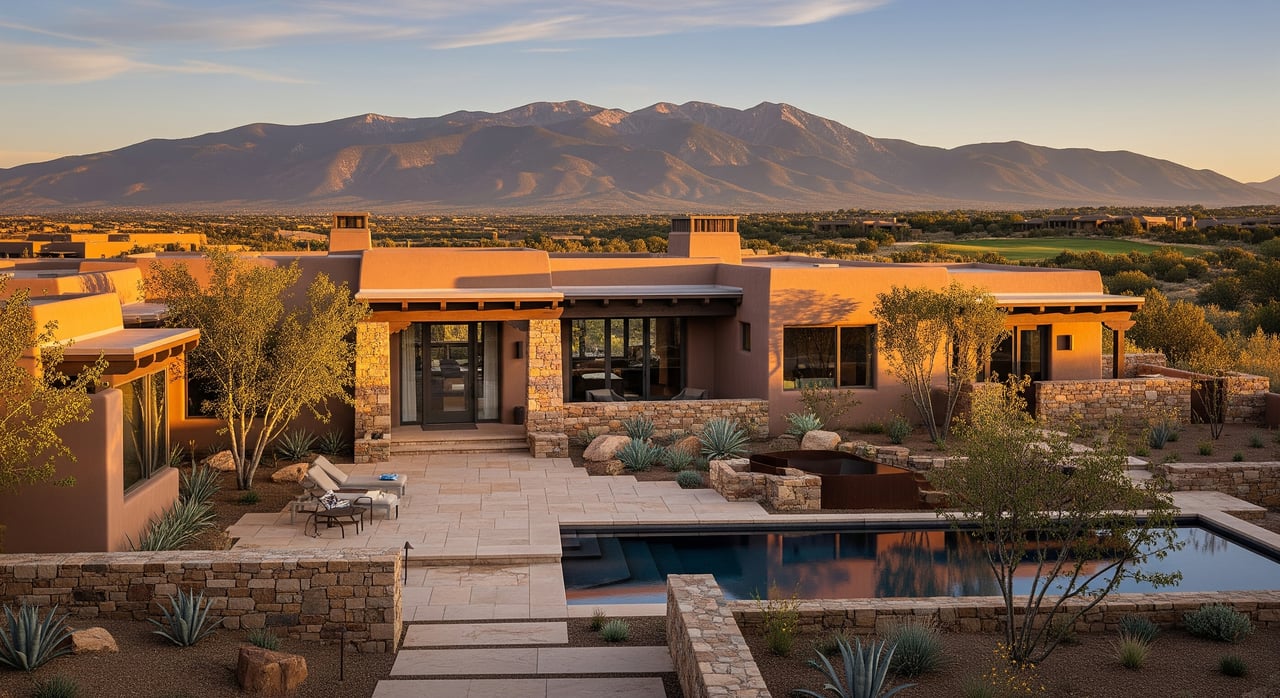
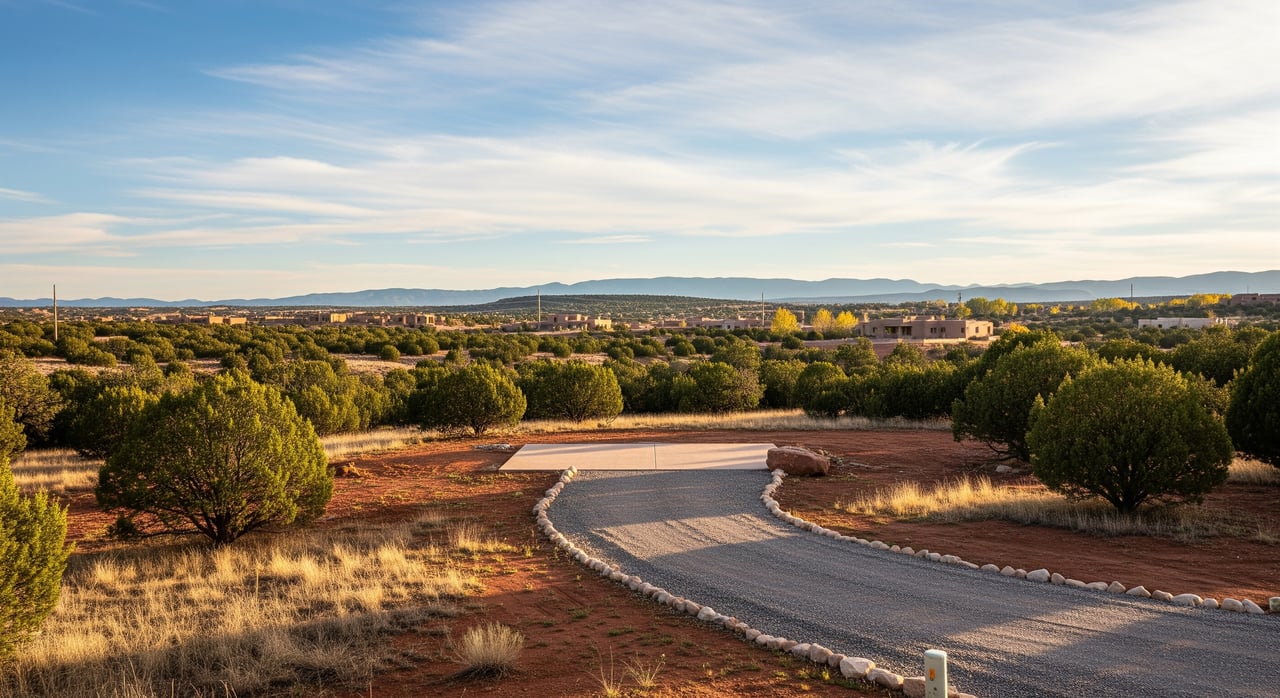
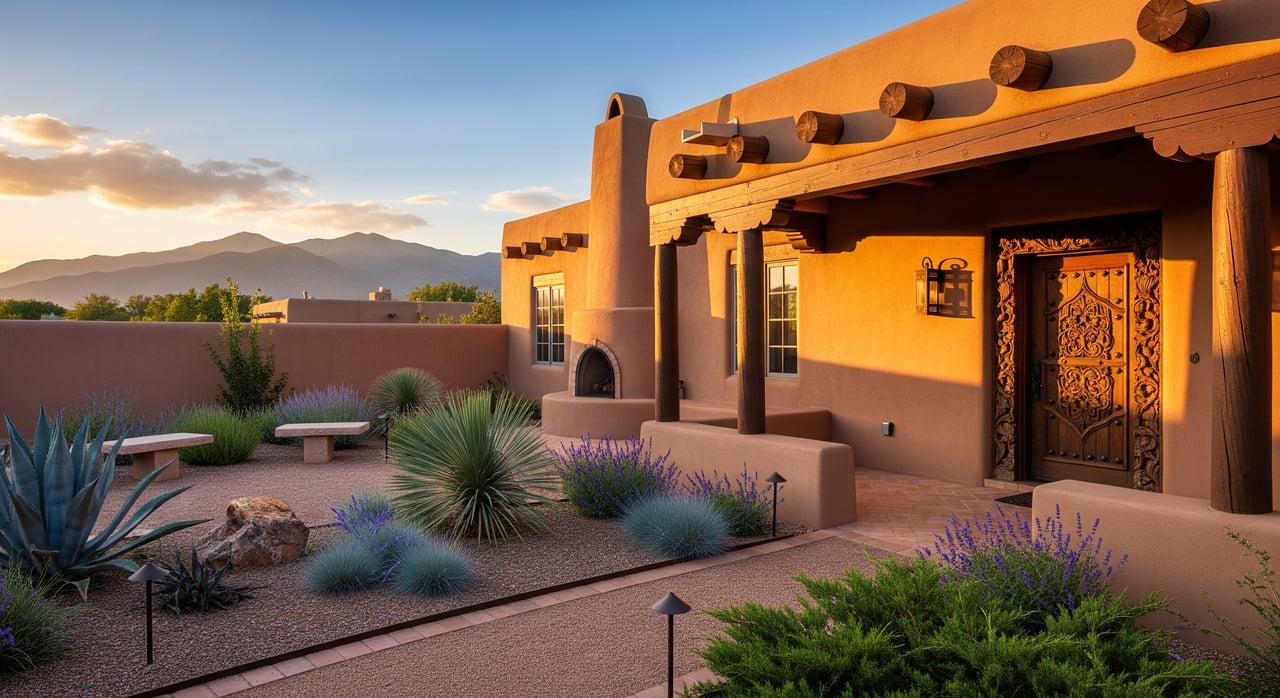
Picture this: morning light over red earth and piñon, a quiet arroyo nearby, and a home shaped perfectly to the land. If you are drawn to Tesuque’s setting and privacy, a custom build can deliver exactly that. The flip side is that Tesuque has its own rules, terrain challenges, and permit steps that can surprise even seasoned buyers.
In this guide, you will learn how Tesuque’s overlay rules shape design, what to check on a parcel before you write an offer, who issues permits, and how to plan a realistic timeline. You will also see a simple due-diligence checklist you can use right away. Let’s dive in.
Know your jurisdiction first
Most Tesuque parcels sit in unincorporated Santa Fe County. Your primary contact for building and development is Santa Fe County Building & Development Services. Start here to confirm process and contacts on any parcel you are considering. You can find guidance and permit packets on the County’s Building & Development Services page at Santa Fe County’s website.
Some parcels are within the Pueblo of Tesuque. County rules do not apply on Pueblo lands. If you are looking at a property on or next to Pueblo land, confirm jurisdiction early and work directly with the Pueblo government for any project on tribal land. See the Pueblo’s official site for context and contacts.
Tesuque overlay: rules that shape design
Tesuque is governed by the County’s Sustainable Land Development Code and a place-specific Tesuque Community District Overlay. This overlay changes base zoning and sets design, terrain, and environmental standards you must meet. Review the overlay document before you sketch plans.
- Steep slopes and ridgelines. Sites with natural slopes over 15 percent and ridgetops have stricter limits. The overlay can cap structure height at 18 feet in key cases, and it restricts roof types. Pitched roofs are not allowed on ridgetops.
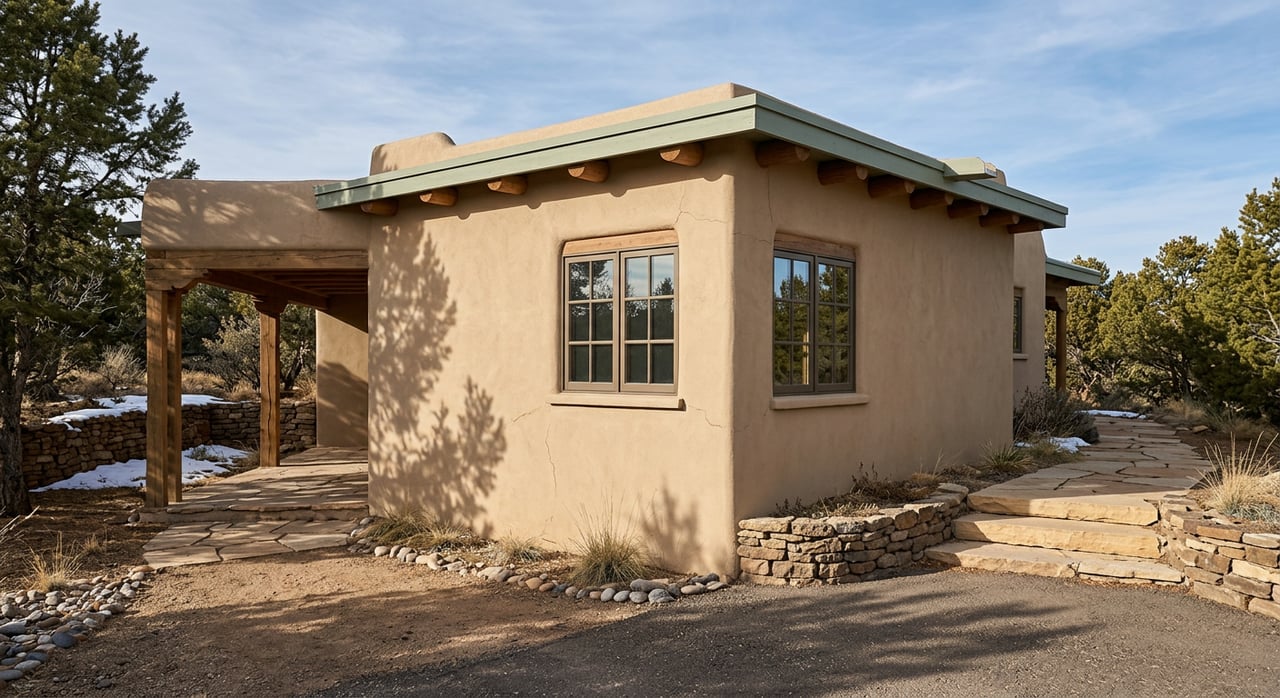
- Colors and reflectivity. Exterior colors and materials must be muted earth tones with Light Reflective Value thresholds. Plan for low-glare roofs and walls that blend with the land.
- Lot coverage. Residential lot coverage is generally limited to 20 percent. This affects your total building footprint, including house, garage, and accessory structures.
- Riparian and wildlife protections. Parcels along Little Tesuque or Big Tesuque require special drainage plans, setbacks, and protection of wildlife corridors. Expect retention and erosion controls to be part of your grading plan.
- Fences, walls, and streetscape. Near Bishop’s Lodge Road and Tesuque Village Road there are added limits on height, visibility, materials, and color to preserve the area’s rural character.
For details, refer to the Tesuque Community District Overlay in Section 9.5 of the SLDC.
Water, septic, energy and fire access
A beautiful design means little if the site cannot meet basic service and safety rules. In Tesuque, four items deserve early focus.
- Water source. Confirm if the parcel is served by a public or mutual domestic system, or if it will rely on a private well. New domestic wells are permitted under New Mexico statute 72-12-1.1 through the Office of the State Engineer. Municipalities can impose additional limits in their service areas, so water feasibility is site specific.
- Septic feasibility. Most Tesuque-area lots use on-site wastewater systems. The New Mexico Environment Department’s Liquid Waste Program issues permits and provides standards. Rocky soils, shallow bedrock, or steep slopes can trigger engineered systems with higher costs and maintenance.
- Energy code. Santa Fe County’s single-family permit packet references the 2018 IECC pathway for residential energy compliance. Plan to provide energy calculations or approved trade-off documentation with professional sign-offs.
- Fire and driveway access. The County requires clear access for fire apparatus. Driveways must meet width, grade, and clearance rules and typically need to bring the home within 150 feet of fire access. Long dead-end driveways may require turnouts or turnarounds. On steep lots, these rules can drive design and cost.
For fire access and energy documentation requirements, see the County’s Single-Family Residence permit packet.
Step-by-step due diligence before you offer
Use this checklist to cut risk and avoid surprises. Many of these items can be completed during the option period or even before you write an offer.
- Confirm parcel jurisdiction and legal lot status. Ask Santa Fe County Growth Management to verify that the parcel is in County jurisdiction and is a legal lot of record. Do not assume based on ZIP code; verify by parcel.
- Pull a title commitment and review easements and covenants. Look for private road maintenance agreements, access easements, and any CCRs. Private covenants do not get waived by County rules.
- Verify water and wastewater. Ask the seller for the well permit number, driller log, any pump test data, and septic permits or as-builts. If none exist, plan for a domestic-well application and septic permitting. See the New Mexico domestic well statute and NMED’s Liquid Waste Program for permit basics.
- Order a topographic survey and soils testing. On Tesuque terrain, slope and soils drive buildability. Early topo and geotech can clarify septic type, retaining needs, and driveway options.
- Walk the site with a local architect and builder. Ask specifically about driveway grades, fire access geometry, and utility extension distance. Transformer placement and line-extension costs can reshape budgets.
- Confirm overlay standards for your parcel. If the site includes slopes over 15 percent or a ridgeline, expect tighter height, roof, glazing, and color limits. Review SLDC Section 9.5 for Tesuque-specific standards.
- Ask about cultural resources review. The County or State Historic Preservation Division may require a records search or survey before ground disturbance. If requested, hire a qualified consultant and factor timing into your plan.
- Consider wildfire risk early. Santa Fe County Wildland offers homeowner resources and assessments. Plan for defensible space and home-hardening measures that can also support insurance.
Helpful links: Santa Fe County’s Building & Development Services “Getting Started” guidance is your entry point for steps, contacts, and verification.
Permits and reviews: what to expect
Building a custom home in unincorporated Santa Fe County follows a defined sequence. Using the County’s official permit packets will save time.
- Pre-application meeting. Meet with a County Development Review Specialist to confirm which Tesuque overlay standards and studies apply. Early feedback can reduce correction cycles.
- Permit application submittal. File the development permit using the Single-Family Residence packet. Include a full site plan, architectural plans, energy code documentation, and contractor or design-professional affidavits. Fire access details are required with the submittal.
- Parallel state permits. If you need a private well or on-site wastewater system, submit a domestic-well application under 72-12-1.1 and a septic permit application to NMED. These reviews can add time, especially if notices or engineered systems are required.
- County technical review. Expect review for zoning and overlay compliance, terrain and steep-slope rules, drainage and hydrology, wildfire risk and access, and building plans. You may receive comments and need to submit corrections.
- Inspections and Certificate of Occupancy. During construction, the County will complete inspections. Final energy and construction compliance affidavits are required before the County issues a Certificate of Occupancy.
Find the current Single-Family Residence packet and related submittals on the County’s Development Permit Packets page.
Realistic timeline by phase
Every parcel is different, but this general arc applies to many Tesuque builds:
- Planning and due diligence. Several weeks to a few months depending on surveys, soils tests, and availability of consultants.
- Design and permit documents. Several weeks to a few months based on complexity, slope conditions, and whether special studies are needed.
- County and state reviews. Weeks to months depending on corrections, NMED septic review, domestic-well processing, and any cultural-resources clearance.
- Construction. Highly variable. On steep or ridgetop lots, plan for longer schedules and weather or logistics contingencies. Ask your builder for a written schedule based on your specific site.
A brief pre-application consult with the County is often the fastest way to confirm scope and likely review steps.
Build the right local team
Tesuque terrain and overlay rules reward an experienced bench. At minimum, plan to engage:
- A local architect or designer who knows Tesuque’s overlay and steep-slope design.
- A New Mexico licensed general contractor with Santa Fe County experience on hillside builds.
- A licensed septic designer or installer familiar with NMED requirements and approved systems.
- A licensed well driller and a civil or geotechnical engineer for soils, percolation, and, if needed, retaining and drainage design.
- A surveyor to confirm boundaries, create a detailed topo, and prepare exhibits.
- A cultural-resources consultant if the County or State requests records review or field survey.
- A wildfire or defensible-space consultant. Santa Fe County Wildland offers homeowner resources that can inform design and insurance.
Financing and insurance to plan early
Construction-to-permanent loans are common for custom homes. Lenders often want evidence of water and wastewater solutions before they fund beyond the lot. If your parcel needs a new well or an engineered septic system, gather permit approvals or feasibility reports early.
Insurance underwriting in the Santa Fe area accounts for wildfire exposure. You can help your case by documenting defensible space, ember-resistant vents, ignition-resistant claddings, and compliant access. The County’s wildfire resources can guide these choices and support conversations with carriers.
Quick resource links
- Santa Fe County Building & Development Services: start here for permits, contacts, and “Getting Started” guidance.
- Tesuque Community District Overlay (SLDC Section 9.5): see height, roof, color, lot coverage, and riparian rules.
- Single-Family Residence permit packet: energy code forms and fire access standards.
- NMED Liquid Waste Program: septic permits, standards, and resources.
- New Mexico domestic well statute 72-12-1.1: private-well permitting basics.
- Development Permit Packets page: current submittal packets, including well-only authorization.
- Santa Fe County Wildland: assessments and homeowner wildfire resources.
- State Historic Preservation Division: cultural-resources guidance.
- Pueblo of Tesuque: jurisdiction and contacts for Pueblo lands.
Ready to explore sites and next steps? If you want a second set of eyes on a parcel or a plan to align your goals with Tesuque’s rules, reach out. You will get senior-level, plainspoken guidance tailored to your move and your timeline. Schedule a free consultation with Schear Realty.
FAQs
What is the Tesuque Community District Overlay and why does it matter?
- It is a set of local rules in Santa Fe County’s land-use code that adds Tesuque-specific limits on height, roofs, colors, lot coverage, and riparian protection that your design must meet.
How tall can my custom home be on a steep Tesuque lot?
- On slopes over 15 percent and in certain ridge conditions, the overlay can cap structure height at 18 feet, so verify your parcel’s exact limits during design.
Do I need permits for a private well and septic system in Tesuque?
- Yes, private wells fall under New Mexico’s 72-12-1.1 statute and on-site wastewater systems are permitted through NMED’s Liquid Waste Program, each with specific applications and reviews.
How close must my home be to fire apparatus access?
- County standards typically require that fire apparatus can reach within 150 feet of the structure, with driveway width, clearance, slope, and turnaround rules that must be met.
How long does the permitting process take for a Tesuque custom home?
- Timelines vary by site and scope, but plan for several weeks to a few months for design and documents, then weeks to months for County and state reviews before construction.