Investing in Albuquerque Rental Property
April 2, 2026
April 2, 2026
If you are thinking about investing in Albuquerque rental property, the headline is simple: this is a market with real demand, but it rewards careful underwriting more than big assumptions. You want a property that works on today’s numbers, not one that depends on fast rent spikes or easy lease-ups. In this guide, you will get a practical look at market conditions, property types, neighborhood due diligence, and holding risks so you can make a more informed decision. Let’s dive in.
Albuquerque has a meaningful renter base, even though most housing is owner-occupied. According to the U.S. Census QuickFacts for Albuquerque, the city had an estimated 560,326 residents in July 2024, a 61.8% owner-occupied housing unit rate, and a median gross rent of $1,145. In Bernalillo County, the owner-occupied rate was 64.5% and median gross rent was $1,144.
That matters because it shows a real rental market without suggesting that every property will perform the same way. A city can have healthy rental demand and still have submarkets with different vacancy patterns, rent levels, and tenant preferences. For investors, that means your analysis should stay local and property-specific.
One of Albuquerque’s strengths is a diversified job base. In its Albuquerque housing market profile, HUD reported 4.0% unemployment and 1.7% year-over-year payroll growth for the three months ending December 2024. Major employment anchors include government, Kirtland Air Force Base, Sandia National Laboratories, and the University of New Mexico.
That kind of diversity can support steadier rental demand over time. It does not eliminate risk, but it does help explain why Albuquerque continues to attract both renters and long-term investors looking for a more stable hold.
Here is where a lot of investors need to slow down. HUD reported a 6.9% apartment vacancy rate in Q4 2024, an average apartment rent of $1,279, and rent growth below 3% for the prior two years, while 2,550 apartment units were delivered over that same period. That mix points to demand, but also to real supply pressure.
In plain terms, you should not underwrite Albuquerque as if rents will jump quickly every year. New supply can create more competition, especially in apartment-heavy areas or places with active development pipelines. A deal that only works with aggressive rent growth assumptions may not be a safe deal.
It also helps to understand that not all rent numbers mean the same thing. The Census median gross rent, HUD average apartment rent, and HUD Fair Market Rent benchmarks measure different things and are not directly comparable. If you are trying to estimate income, be consistent about which metric you use and why.
For context, HUD’s FY2026 Fair Market Rents for the Albuquerque MSA list these figures:
These are program benchmarks, not private-market asking rents. Still, they can give you a reasonable frame of reference when you are thinking through possible rent ranges for smaller units or family-sized rentals.
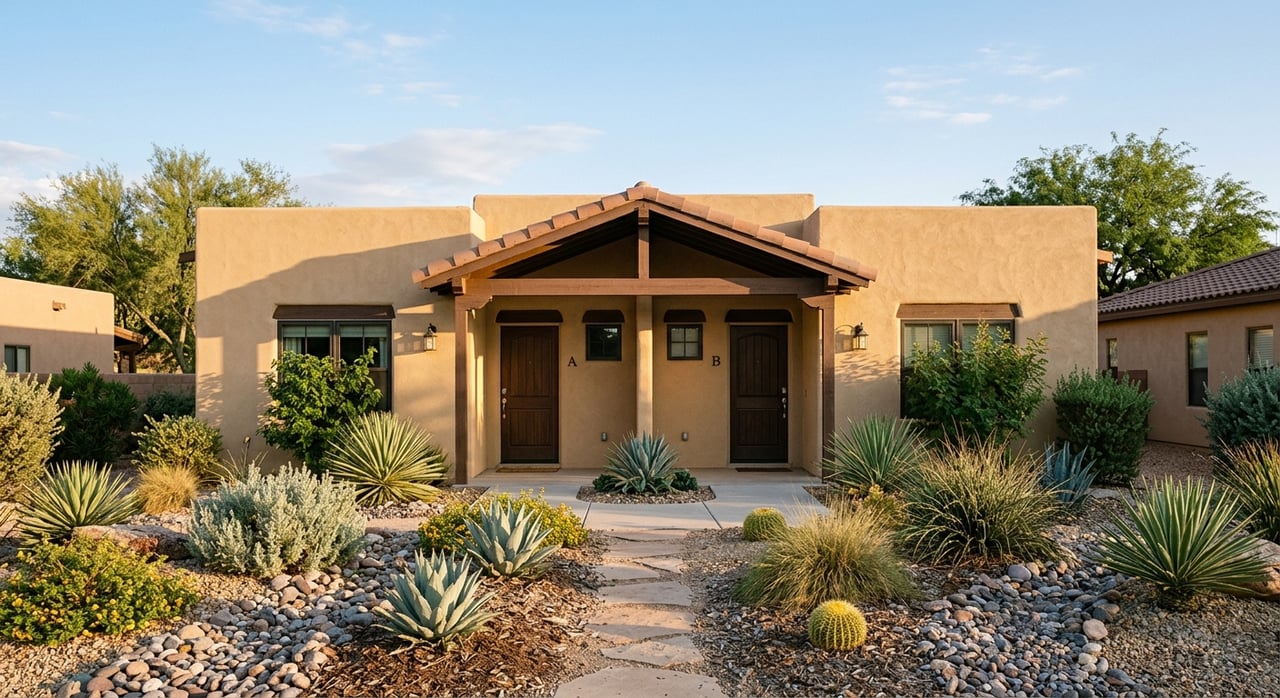
Albuquerque gives investors several common paths. Buyers often consider single-family detached homes, townhomes or condos, small multifamily properties, and larger apartment assets. The city has also been expanding where different housing types are allowed, which opens the door for more flexible strategies in the right locations.
For many everyday investors, the key question is not just what is available. It is which property type matches your budget, management style, and hold strategy.
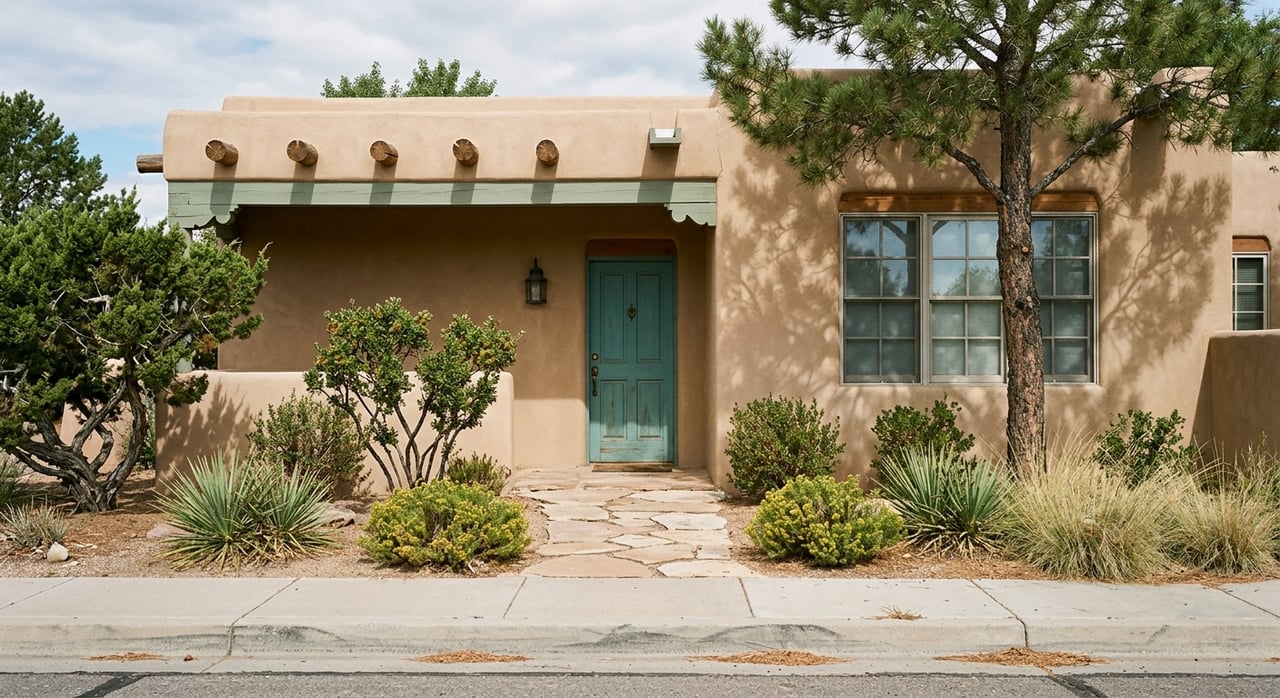
Single-family homes can appeal to investors who want a more straightforward setup with one lease and one resident household. They may also offer flexibility if you want to resell to an owner-occupant later. When you compare options against Albuquerque’s median sale price of $351,000 and average market time of about 54 days, single-family acquisitions may be easier to frame from a financing and resale standpoint.
That said, a single vacancy means 100% of your income stops at that property. You also need to pay close attention to age, deferred maintenance, and neighborhood-specific rent ceilings.
These properties can make sense if you want a lower entry point or multiple income streams. With duplexes and small multifamily, one vacancy may hurt less because another unit may still be producing rent. That can help smooth cash flow if your numbers are otherwise sound.
You still need to review zoning, parking, layout, and condition carefully. Small properties can look simple on paper, but maintenance, turnover, and code issues can quickly affect returns.
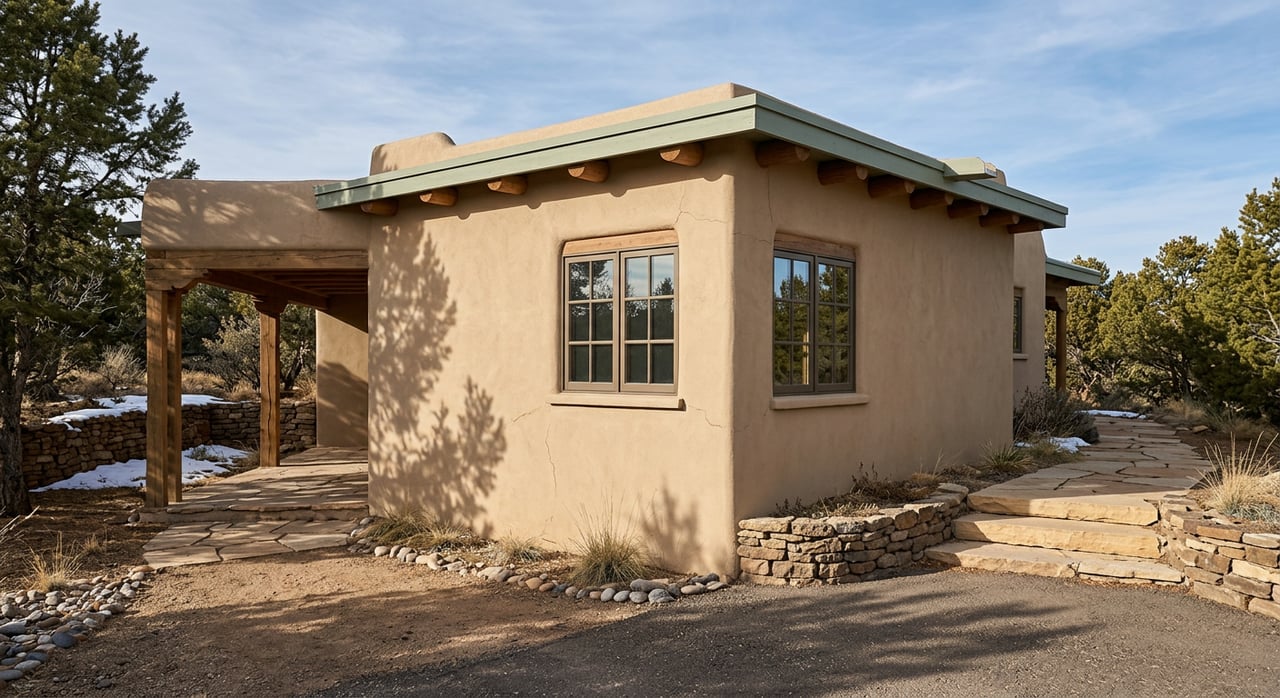
Albuquerque’s accessory dwelling unit rules are especially worth watching. The city allows casitas in R-A, R-1, R-T, and R-ML zones, and notes that they are typically detached accessory buildings with a kitchen, capped at 750 square feet, with one required off-street parking space. You can review the city’s casita and accessory dwelling unit guidance before assuming a lot supports this type of addition.
For the right property, an ADU or casita can create a unit-addition strategy rather than a simple buy-and-hold plan. But you need to verify zoning, site layout, parking, and build feasibility before treating that upside as part of your purchase decision.
The city’s 2025 zoning changes also deserve attention. Albuquerque says duplexes, townhomes, and apartments are allowed within one-quarter mile of Main Streets and Premium Transit areas, with reduced parking requirements and no height limit for apartments in that radius. The city outlines these changes in its zoning update overview.
For investors, this can make certain corridor and transit-adjacent sites more attractive, especially if you are thinking beyond a basic single-tenant rental. It does not mean every site is a development play, but it does mean zoning now deserves a bigger place in your screening process.
One of the biggest mistakes investors make is treating Albuquerque like one uniform rental market. HUD’s data shows that submarket differences can be significant. For example, North Valley apartment vacancy reached 17.6% in Q4 2024, while the Far West Side saw the largest year-over-year rent increase at nearly 7%.
That should shape how you evaluate any property. A rental that looks promising on a citywide average may behave very differently once you account for nearby supply, traffic patterns, access, parking, and the type of renters that area tends to attract.
A strong rental investment usually comes down to disciplined due diligence. Public tools can help you do a first-pass review before you write an offer or finalize your underwriting.
The City of Albuquerque’s AGIS mapping tools and Zone Atlas are useful for reviewing zoning, parks, transit context, and other location details. If a property is near arroyos or drainage paths, the city’s hydrology resources can help you screen for FEMA flood-zone information.
You will also want to verify assessor records, parcel boundaries, taxing jurisdictions, and property-specific details through local public records. Maps are helpful, but they do not replace on-the-ground judgment and local market knowledge.
Before buying an Albuquerque rental property, review these basics:
This kind of checklist helps you avoid paying for upside that may never materialize. It also gives you a clearer picture of whether a property fits your investment plan from day one.
Older housing can bring more repair exposure, and Albuquerque is no exception. The city has noted that older rental housing is more likely to present code issues and deferred maintenance concerns. That means you should reserve real capital for systems, repairs, and turn costs rather than treating maintenance as a minor line item.
Climate also matters here. HUD describes Albuquerque as having a sunny, arid environment, and the city has made heat-related habitability a more direct issue for rental owners.
Beginning July 1, 2025, Albuquerque’s cooling ordinance requires cooling systems in rental properties. For investors, this makes HVAC reliability and response time more than a convenience issue. It is part of operating the property properly.
If you are considering an older home or smaller property, inspect the cooling system closely. A unit that looks affordable upfront may need immediate HVAC work, and that can affect both your renovation budget and your leasing timeline.
HUD reported that 5,100 rental units were permitted from 2021 through 2023 in Albuquerque, the highest three-year level since 1984 through 1986, plus 800 rental units permitted in 2024. That is important context for anyone planning a short hold or a value-add strategy.
More supply can mean more choices for renters and slower rent growth for owners. It can also mean you need to be more competitive on price, condition, or amenities to keep occupancy strong. In this market, conservative vacancy assumptions are usually smarter than optimistic ones.
New Mexico landlord-tenant rules also belong in your financial planning. According to the state’s Renter’s Guide, a landlord may require a reasonable deposit, but for lease terms under one year, the deposit cannot exceed one month’s rent. For annual or longer leases, deposits above one month’s rent accrue annual interest.
The same guide says owners have 30 days after move-out to provide an itemized list of deductions and return any remaining deposit. For enforcement issues, nonpayment of rent can trigger a three-day notice, certain lease violations can trigger a seven-day notice to cure, and evictions must go through court.
These are not minor details. They affect how you plan for reserves, turnover, timelines, and risk management.
New Mexico property taxes are ad valorem, with county assessors handling valuations and county treasurers collecting tax under state oversight. The New Mexico Property Tax Division explains that the percentage of value taxed cannot exceed 33 1/3%, so assessed values and local mill rates are important parts of your holding-cost analysis.
In practical terms, you should never estimate taxes casually. Verify current tax data and understand how your purchase price, assessment, and local jurisdiction may affect future expenses.
If you are buying rental property in Albuquerque, a balanced strategy usually beats a flashy one. Look for assets that make sense with today’s rent levels, realistic vacancy assumptions, and honest repair budgets. Pay close attention to submarket performance, zoning, and operational issues like cooling compliance.
That is where local guidance can save you time and money. With boutique, owner-led service and deep experience across Albuquerque and the surrounding market, Schear Realty can help you evaluate opportunities, spot red flags, and move forward with a clear plan. If you are ready to talk through your investment goals, schedule a free consultation.
Stay up to date on the latest real estate trends.


I take great pride in forming strong working relationships with my clients. I enjoy helping clients find their dream home or helping them begin a new life with their new move. Buying or Selling a house is likely one of the biggest & most important investments.
SCHEAR REALTY
4405 Jager Dr. NE Suite C4 #300 Rio Rancho, NM 87144