Albuquerque Home Styles: Find the Right Fit for You
December 18, 2025
December 18, 2025
Which Albuquerque home style fits you best? If you have ever admired a flat-roofed stucco home with rounded corners or a shady front porch on a Craftsman bungalow, you have already met the city’s most recognizable looks. With high-desert light, mountain views, and deep cultural roots, architecture here blends tradition and modern comfort in ways that matter for how you live day to day.
In this guide, you will learn how to recognize Albuquerque’s most popular styles, what typical interiors and floor plans feel like, where you are likely to find them, and which updates add value while honoring character. You will also get practical tips on permits and historic areas so you can plan with confidence. Let’s dive in.
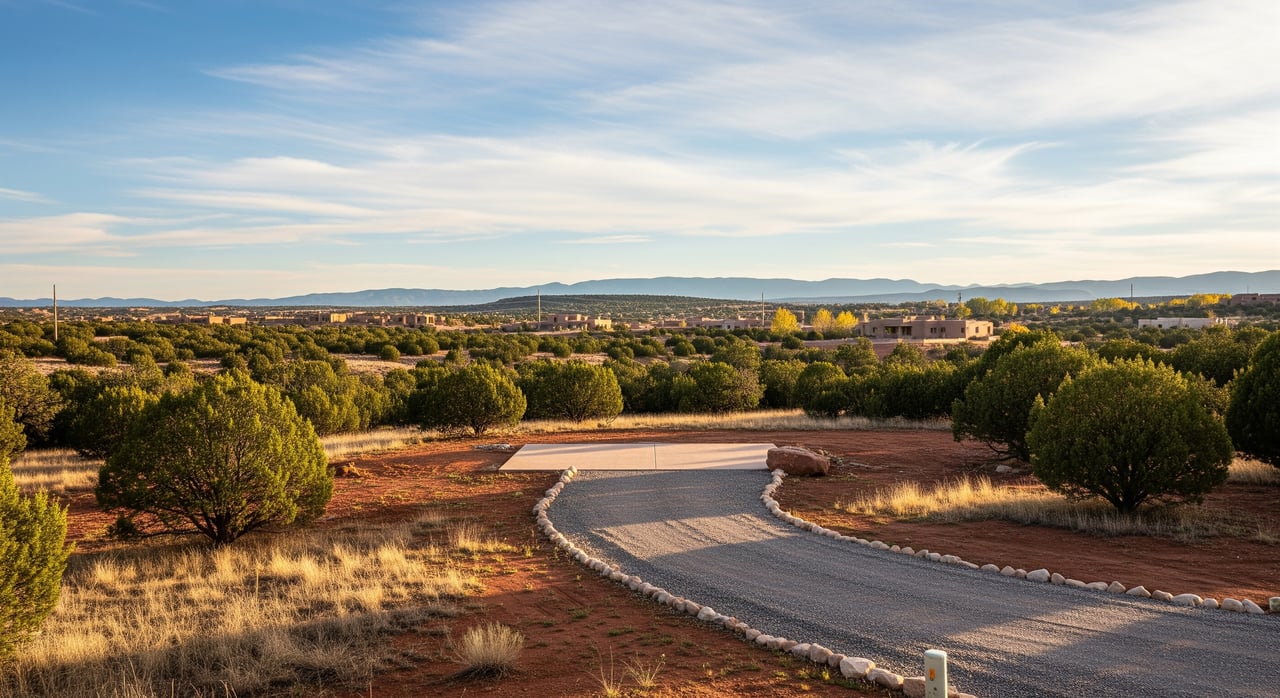
Choosing a home style is not just about curb appeal. In Albuquerque, style often signals floor plan, materials, and energy performance. Traditional homes may feature thick walls, plaster finishes, and kiva fireplaces. Contemporary homes lean into glass, open plans, and indoor-outdoor living. Our high-desert climate at roughly 5,000 feet influences roof forms, stucco exteriors, and shaded courtyards that keep you comfortable.
Understanding these clues helps you budget for updates, spot quality craftsmanship, and make choices that fit your lifestyle.
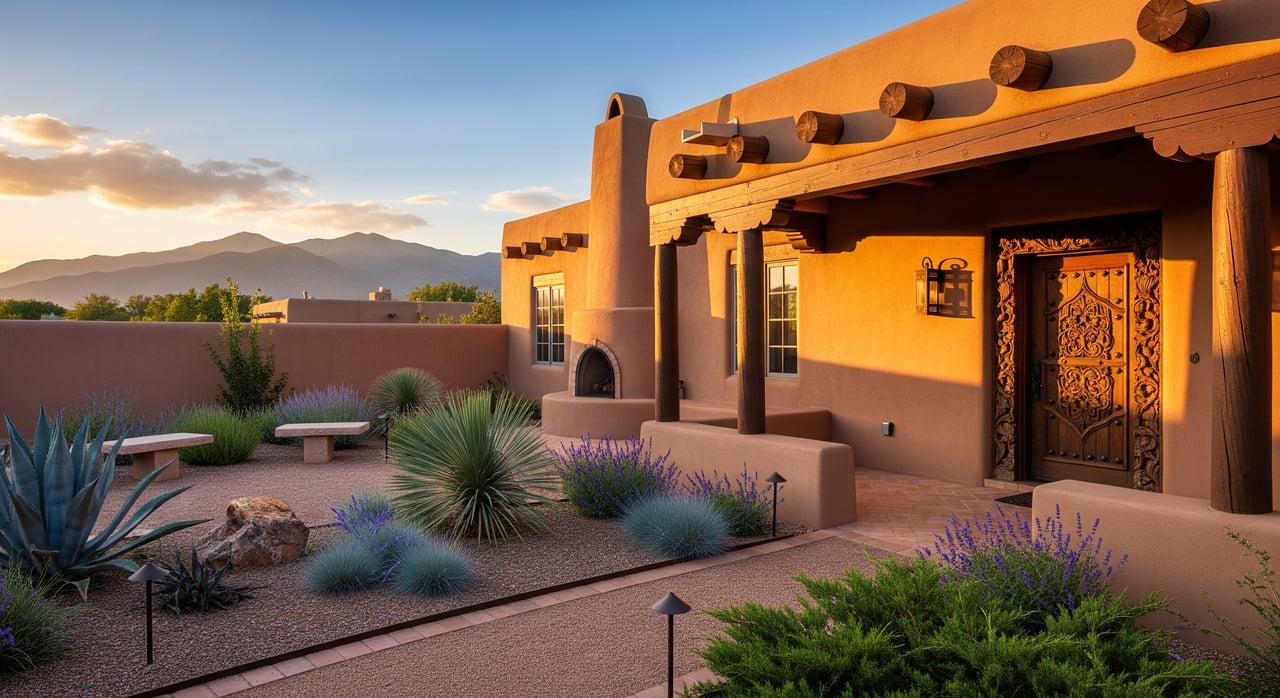
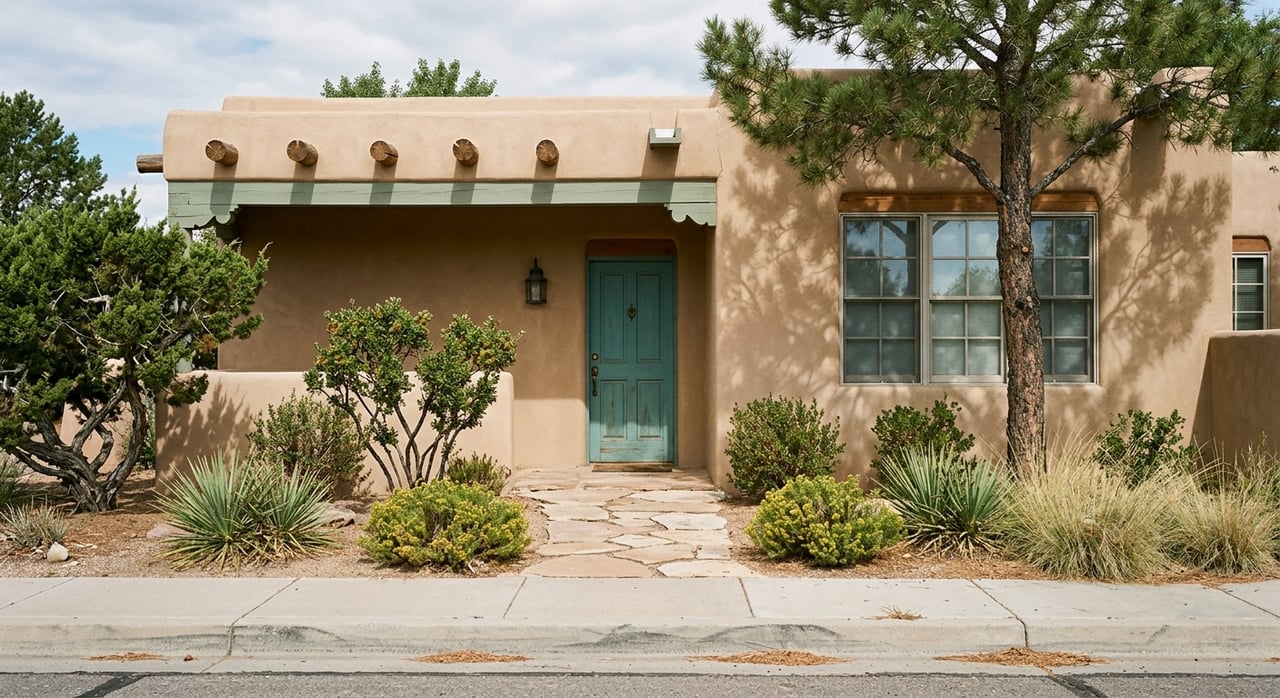
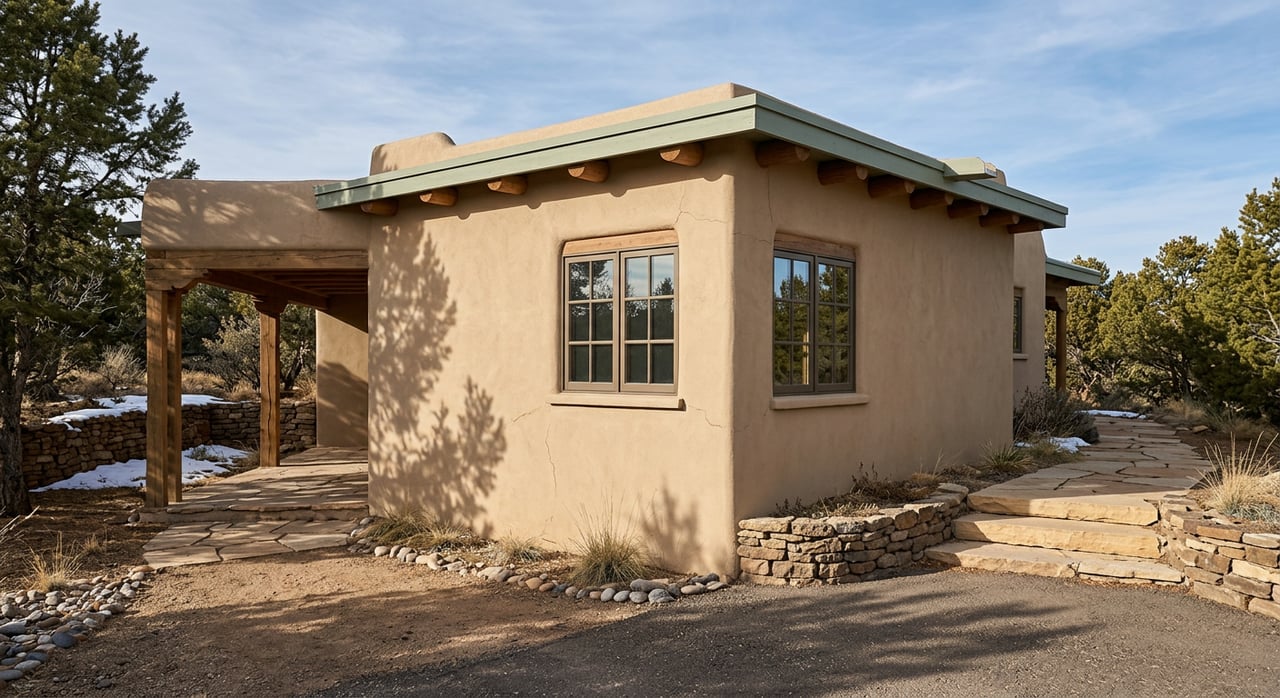
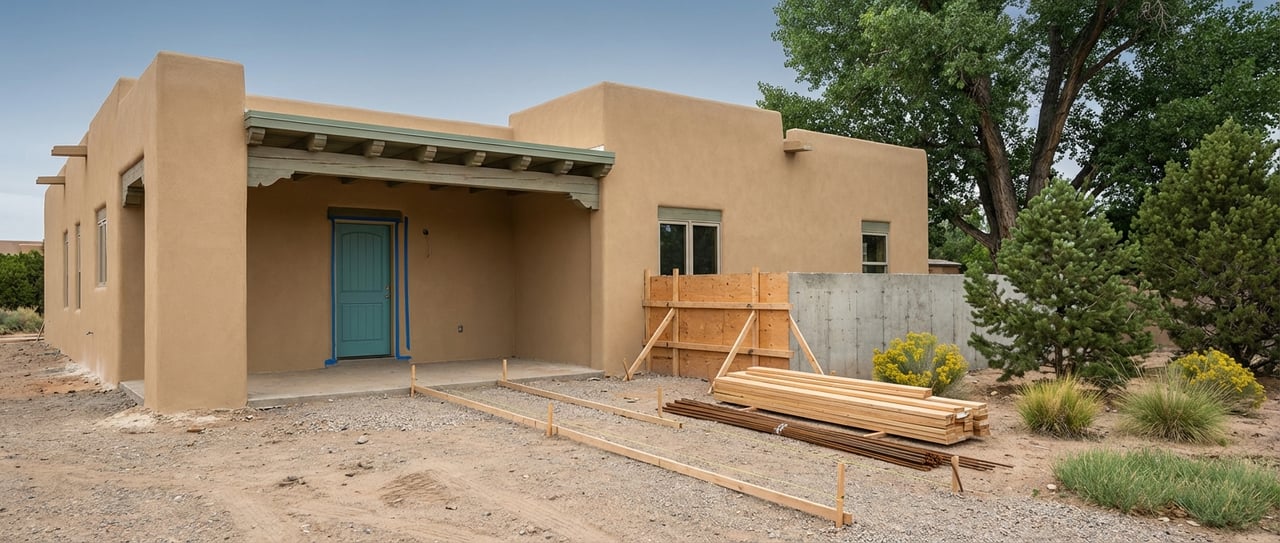
If you picture the quintessential New Mexico home, you are likely thinking of Pueblo Revival. These homes feature flat roofs with parapets, rounded corners, and earth-tone stucco that often mimics adobe. Look for exposed wooden vigas that project through parapets, deep window and door recesses, and canales that drain the roof.
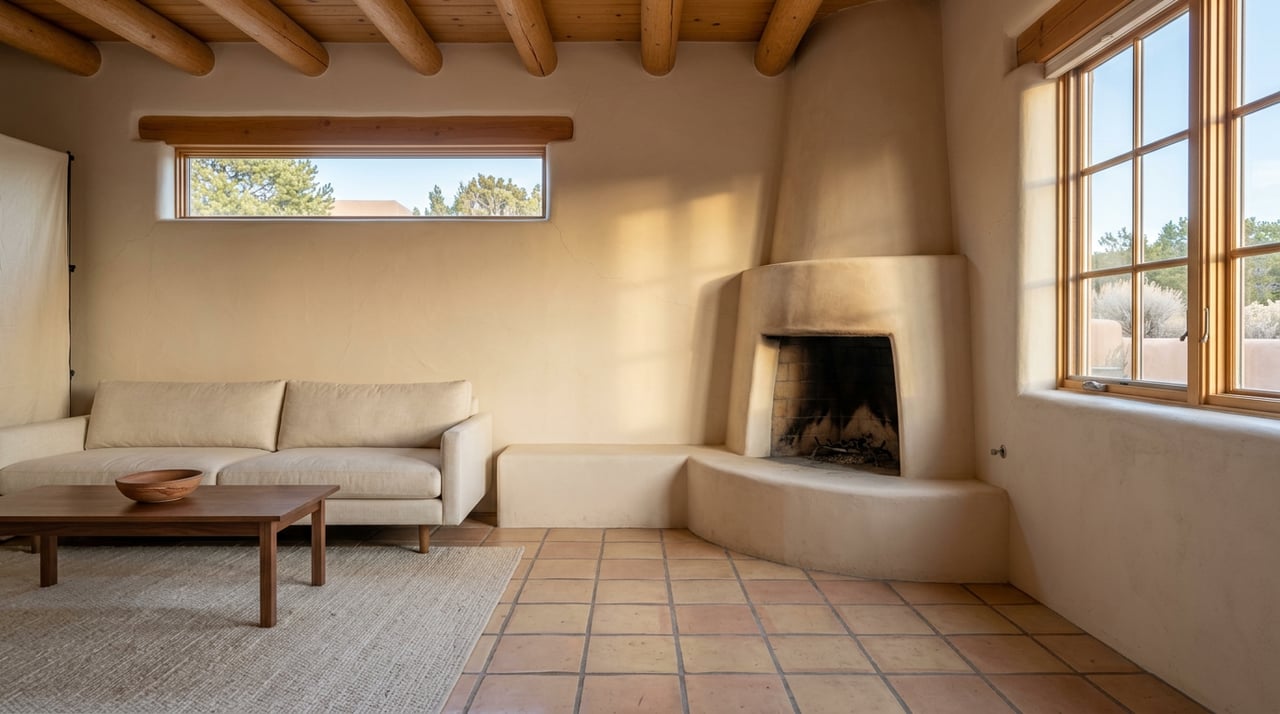
Inside, you will often see plastered walls, wood ceilings with vigas and latillas, Saltillo tile or wood floors, and built-in niches. Kiva fireplaces are a hallmark, often tucked into a corner. Floor plans in older examples are more cellular with rooms grouped around an entry or courtyard, while newer builds open walls for better flow.
Where you will find it: Old Town and portions of the North Valley, plus custom homes and planned neighborhoods throughout the metro.
What to know: Thick, adobe-like massing is part of the charm and comfort. Replacing original walls with thin stucco over light framing changes how the home behaves and feels.
Territorial styles blend regional materials with simpler classical lines. You will notice rectilinear forms, brick coping along parapets, and more symmetrical facades. Double-hung sash or wood windows are common, and stuccoed walls may feature brick or stone accents.
Interiors often include wood trim with straightforward moldings and a more formal, regular room layout. Early examples can have higher ceilings. These homes feel both Southwestern and orderly.
Where you will find it: Older neighborhoods near Downtown, including historic districts like Huning Highland and areas that overlap Old Town.
Seller tip: Preserving original wood windows, brick detailing, and trim supports both character and value.
Some Albuquerque homes reflect Spanish Colonial and Mission Revival details, especially from mid-20th-century periods. Look for low-pitched red clay tile roofs, arched entries and windows, and stucco walls. Courtyards, wrought iron, and arcades add to the look.
Inside, you may find courtyard-focused plans, decorative tile, and dark wood beams or doors. These homes bring classic warmth and a strong sense of arrival.
Where you will find it: Scattered across older and suburban areas where Mediterranean influences were popular.
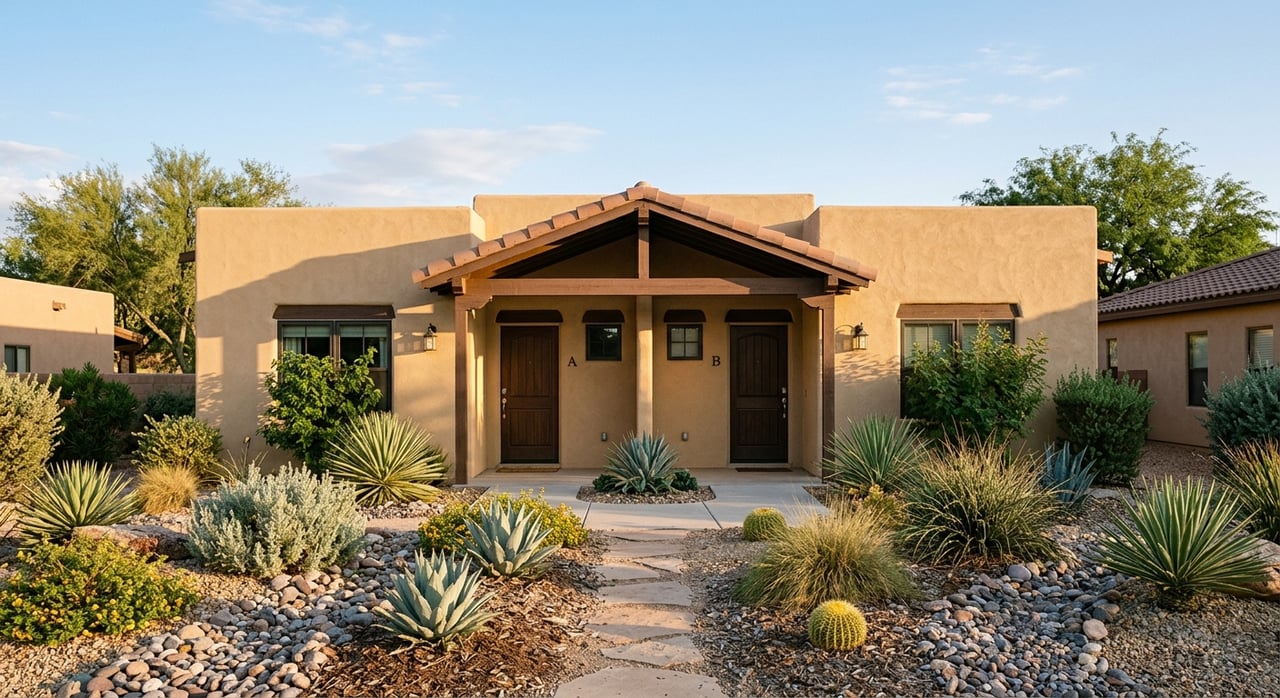
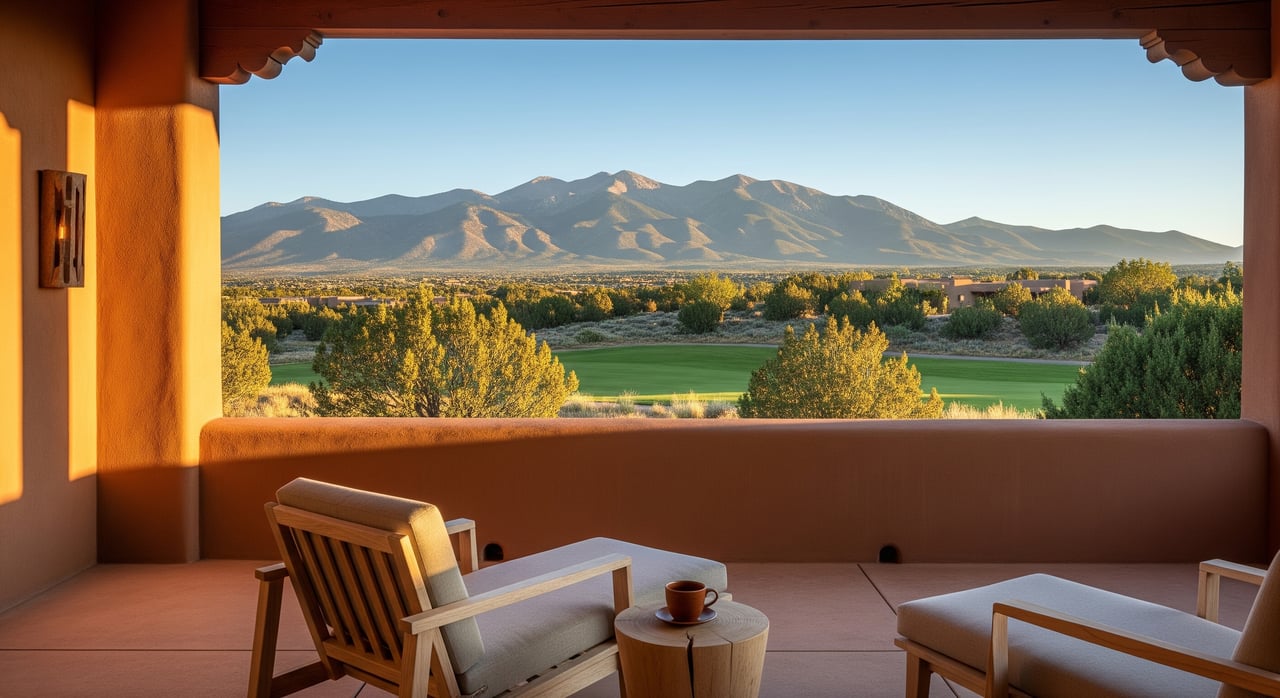
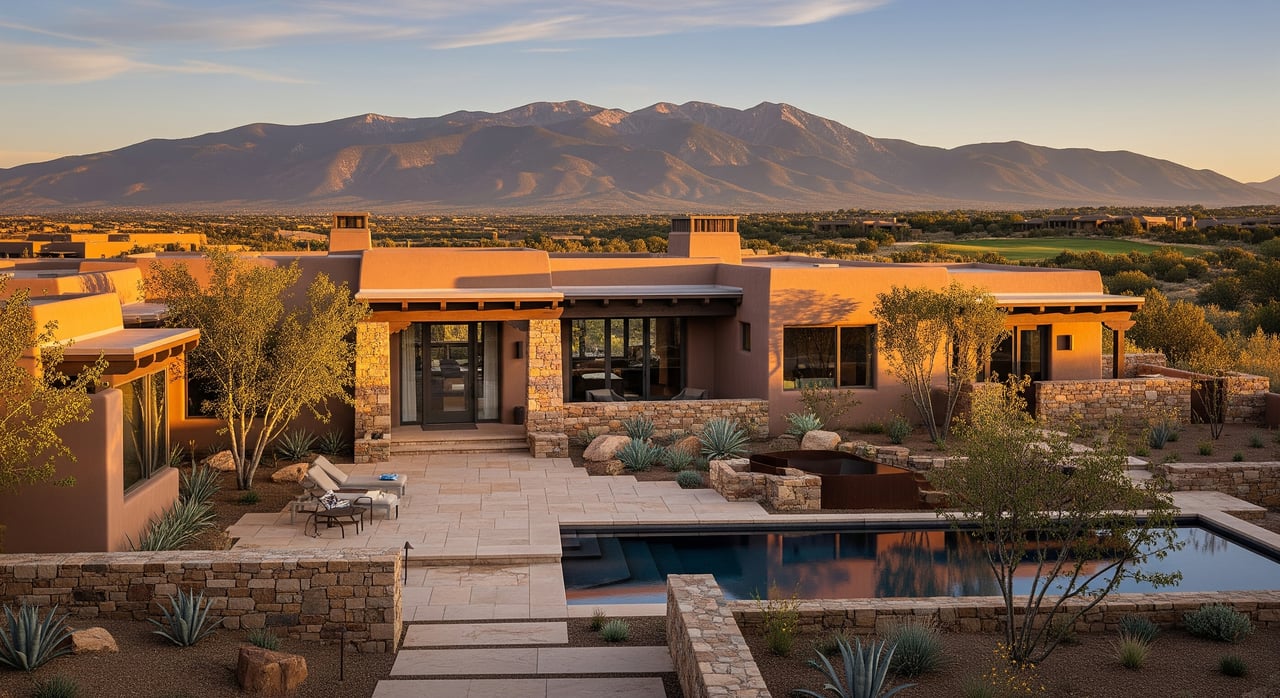
Southwest Contemporary blends clean, modern lines with local materials and indoor-outdoor living. Exteriors often include flat or low-slope roofs, large windows positioned for views, and simple stucco or metal accents. Patios and courtyards are built to work with the landscape.
Interiors favor open plans, high ceilings, skylights, and minimalist finishes balanced with wood or stone. You will often see polished concrete or engineered hardwood flooring for durability and low maintenance. Buyers who want modern aesthetics and better efficiency tend to love these homes.
Where you will find it: New custom builds and remodels in the North Valley, the foothills, and infill lots across the city.
Ranch homes are a familiar sight in many Albuquerque subdivisions. These are generally single story with a low profile and attached garages. Floor plans introduced open living concepts that flow to covered patios and backyards.
Expect a practical layout that suits everyday life, with the potential to update kitchens and baths while keeping the easy flow that buyers appreciate.
Early 20th-century bungalows and Craftsman homes offer front porches, exposed rafters, and built-ins that add everyday function. Interiors often feature defined rooms with central hall layouts, wood trim, and original details that collectors cherish.
Where you will find it: Huning Highland and parts of Nob Hill.
Pueblo Deco is a stylistic fusion of Pueblo motifs and Art Deco. You will see it in landmark public buildings like the KiMo Theater, not typically in single-family homes. It is a fun part of the city’s design story and a useful reference when you spot decorative motifs around town.
Many Albuquerque neighborhoods include designated historic properties or sit within historic districts. Common areas include Old Town, Huning Highland, Barelas, and parts of the North Valley and Downtown. The City of Albuquerque’s Historic Preservation Division and the Historic Landmarks Commission review work on designated landmarks and can require design standards and approvals.
Plan ahead for permits. Structural changes, window and roof replacements, additions, and solar installations typically require permits. Historic properties may need extra reviews. Starting early with the appropriate city offices and neighborhood associations will save time and help you make the right choices.
As you tour homes, pay attention to how the floor plan supports your daily routine, what maintenance each exterior will need, and which upgrades fit the style without over-improving for the block.
Show the details that buyers love. Capture:
Use properly licensed images or secure written permission from photographers before publishing listing photos.
Whether you are comparing Pueblo Revival in Old Town to Southwest Contemporary in the foothills or preparing a Territorial home for market in Huning Highland, expert guidance helps you avoid missteps and focus on what adds value. With principal-level representation and tools designed for buyers and sellers, our team will help you match the right style to your lifestyle and budget, and plan updates that respect your home’s character.
Ready to tour, value your home, or outline a renovation plan? Schedule a free consultation with Schear Realty.
Stay up to date on the latest real estate trends.
I take great pride in forming strong working relationships with my clients. I enjoy helping clients find their dream home or helping them begin a new life with their new move. Buying or Selling a house is likely one of the biggest & most important investments.
SCHEAR REALTY
4405 Jager Dr. NE Suite C4 #300 Rio Rancho, NM 87144